ADAXI Bari Parchi
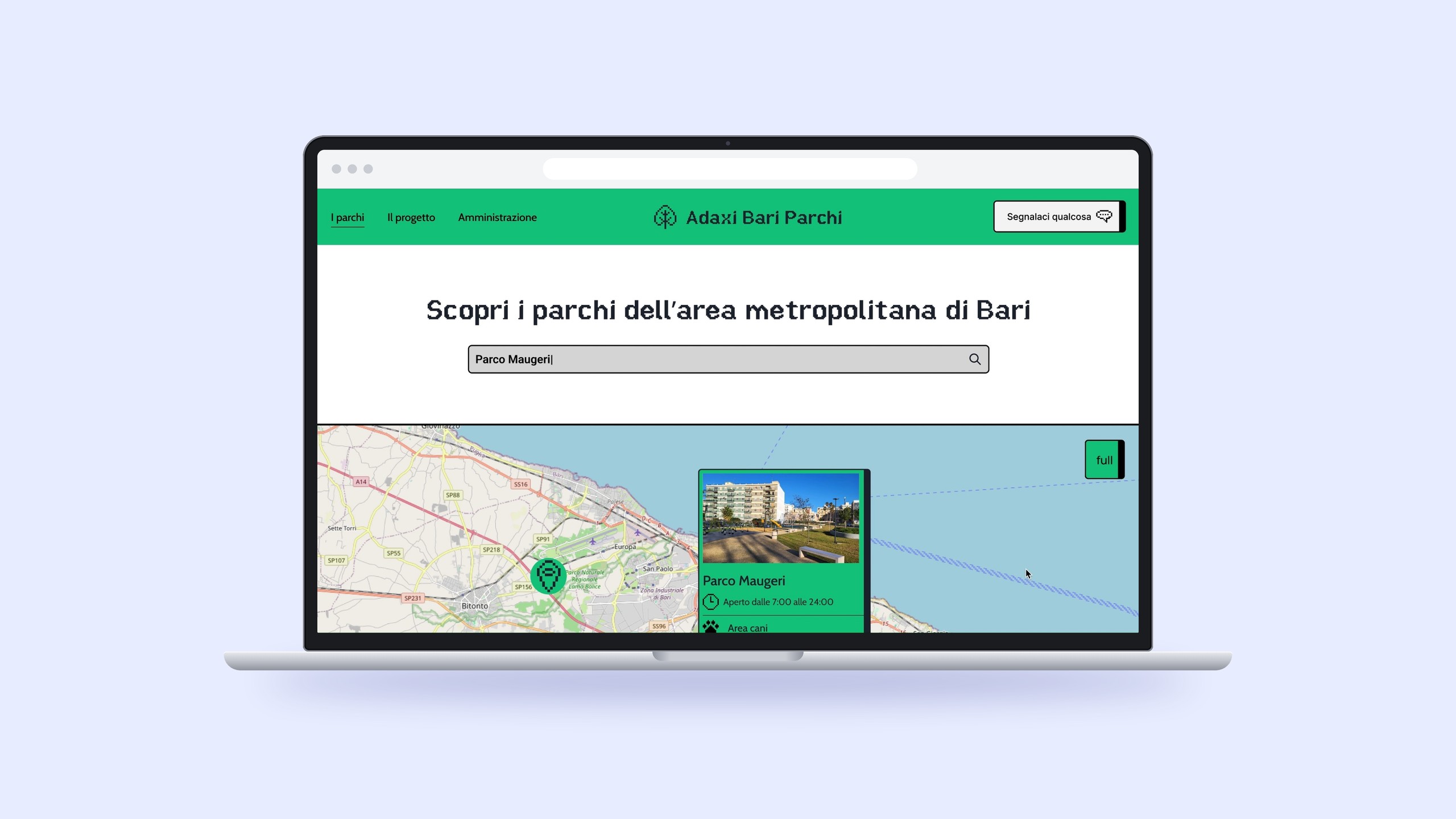
ADAXI Bari Parchi is a service for caring for public green spaces in Bari, piloted at Parco Maugeri. Citizens explore parks and report problems through a public platform and a chatbot, while an irrigation monitoring system (BARK) helps the administration act on what sensors and citizens show.
Context
Working on problems raised directly by the local administration
The project was developed during Bari Città Aperta 2025, a two-week co-design workshop organized by Scuola Open Source. The briefs were proposed directly by the local administration, so every group worked on a real need of the city, in close collaboration with the mayor and the municipal administrators.
The initiative covered three challenges: cultural events, urban parks and the local economy. Our group worked on environmental sustainability, with Parco Maugeri as the pilot park.
Problem
A recently opened park already shows signs of poor care
Parco Maugeri opened in July 2023, yet its green areas already show problems in management and upkeep. The brief asked how to manage irrigation and the care of public green in an intelligent and sustainable way, cutting waste and making maintenance more efficient.
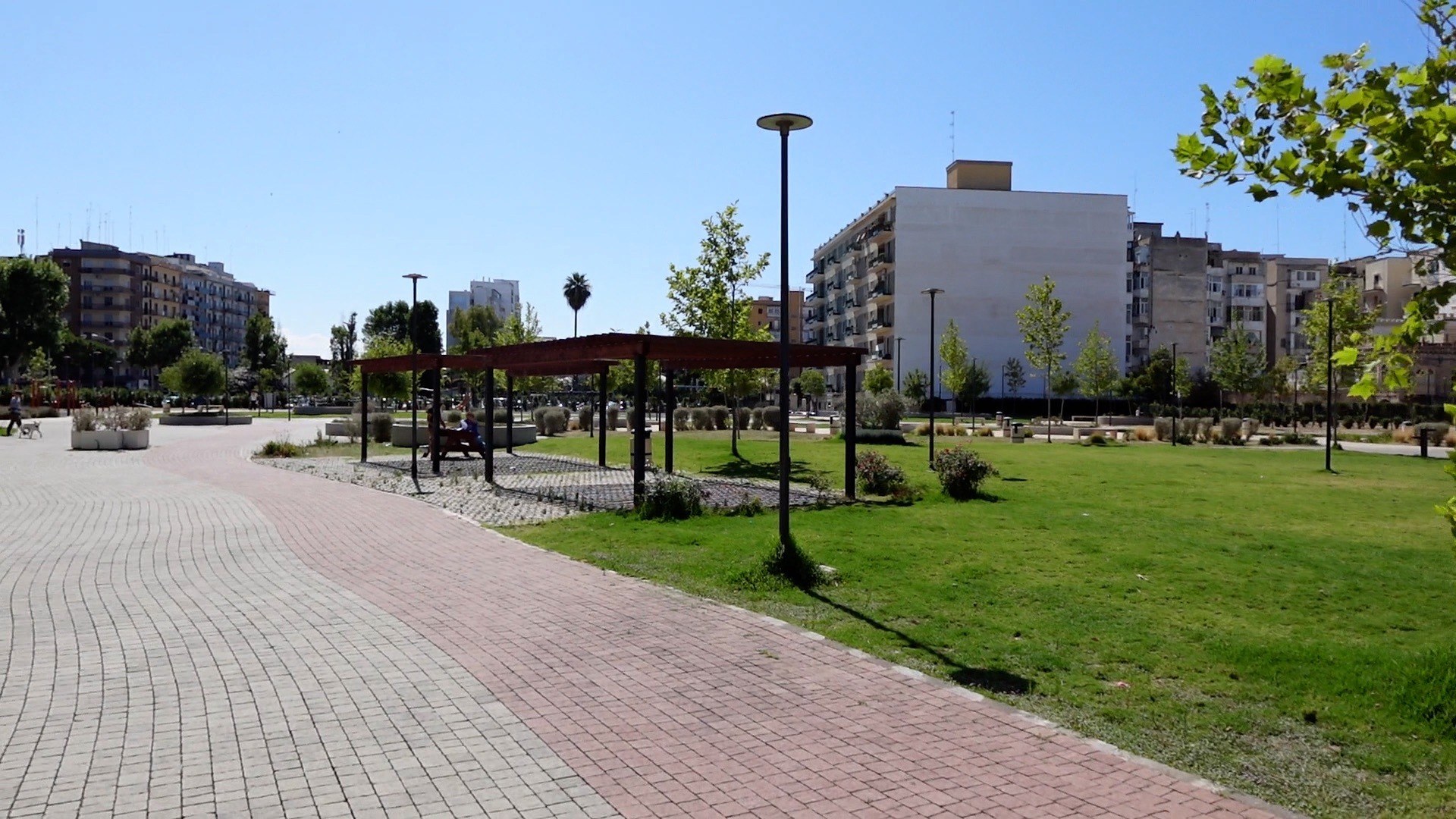
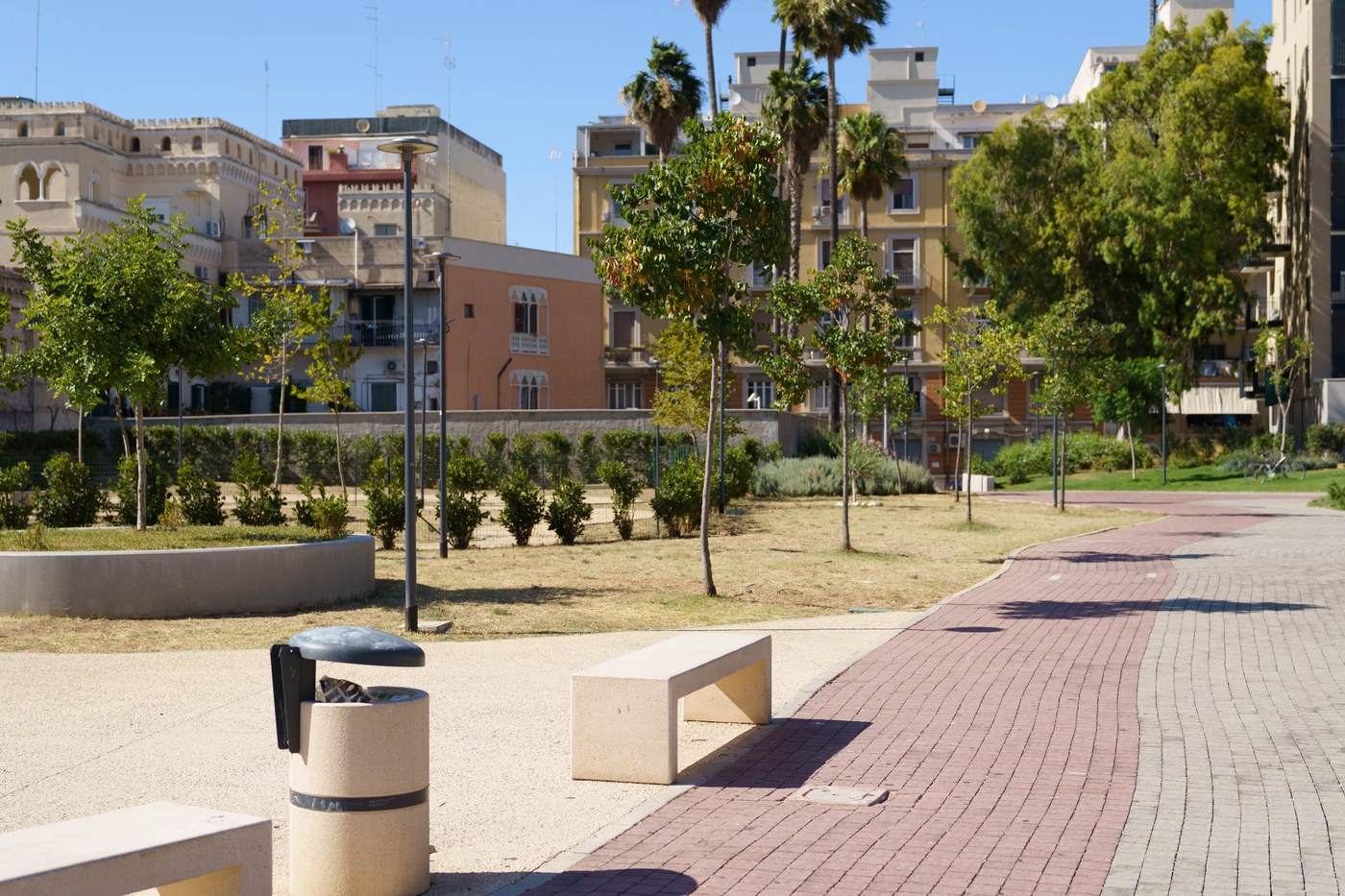
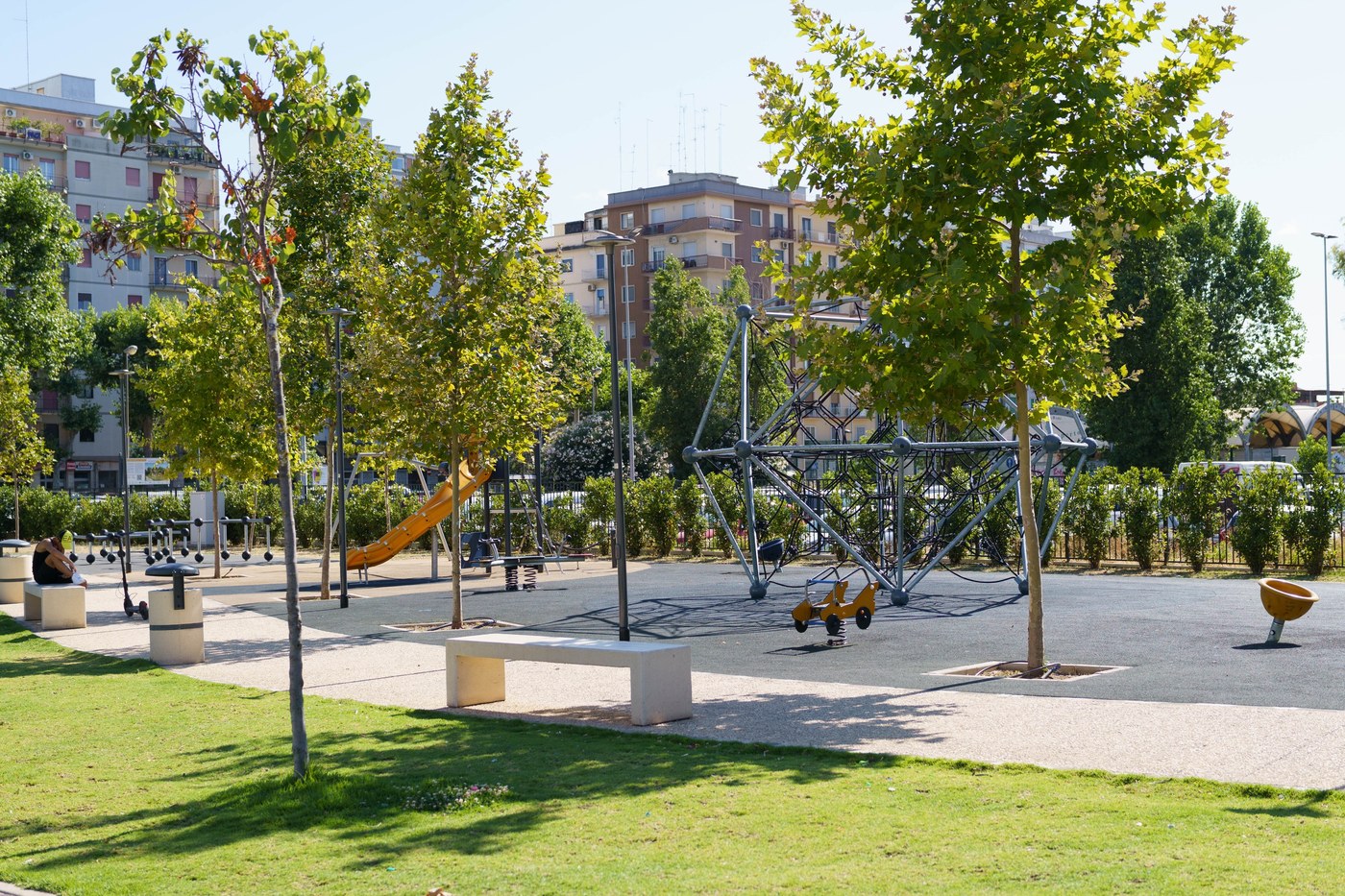
The SWOT analysis we ran on the park showed that the issue went beyond water. Weaknesses included little shade, insufficient lighting, missing signage, benches that are not accessible, no nearby services and the poor state of the vegetation. The reporting system was overloaded, and abandoned objects and deteriorating structures added to the picture.
The park also had strengths worth building on: families with children visit it, people see it as a place for socializing, and citizens say they want a stronger bond with the environment. Local merchants showed interest too. The challenge was to turn that goodwill into care for the park.
Process
Co-design moved the team from the park to a shared idea
We chose a co-design approach to really involve the locals. Involving them helps produce solutions that are more sustainable, fairer and more likely to be adopted, and it builds listening, relationships and shared responsibility.
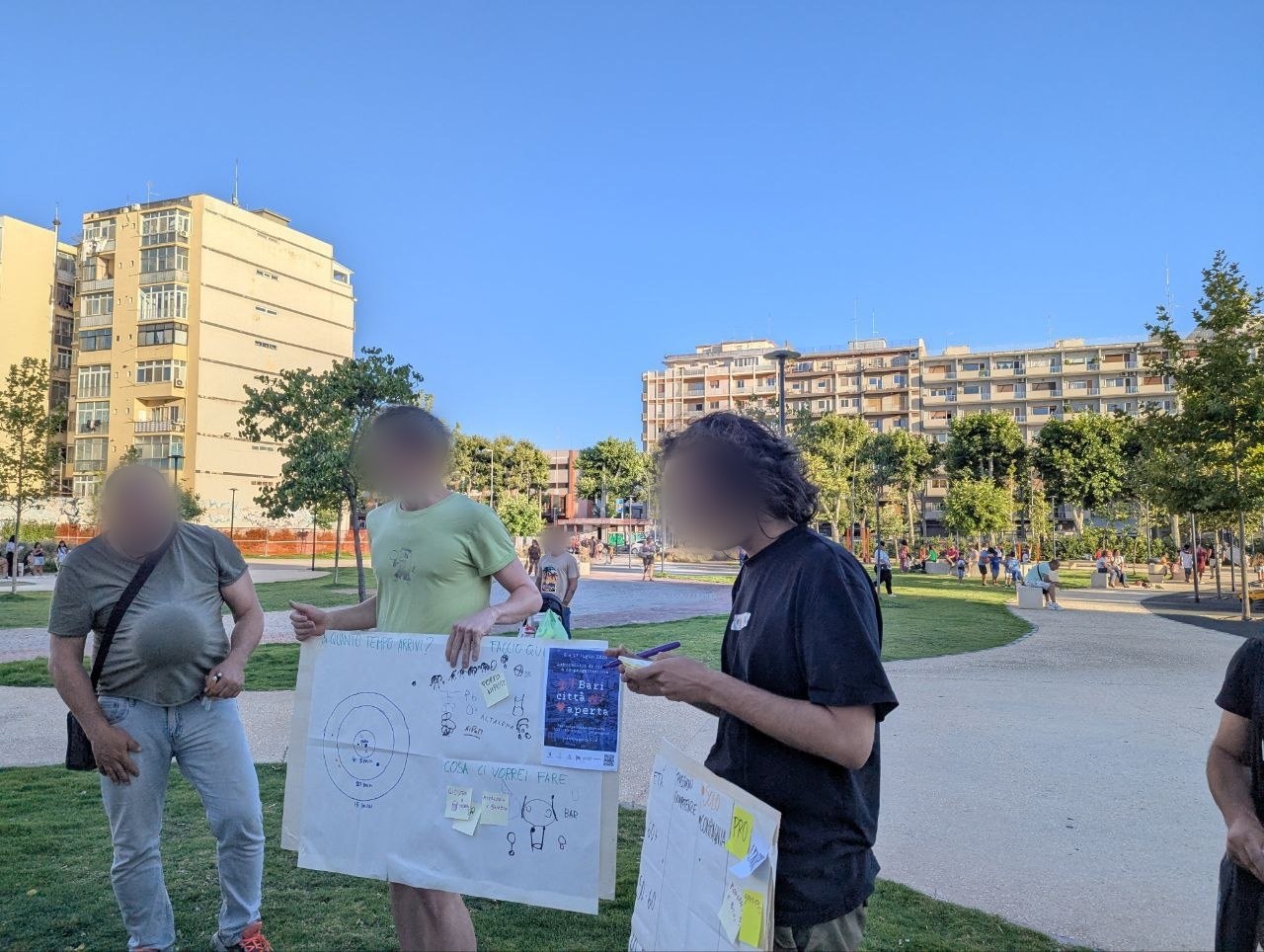
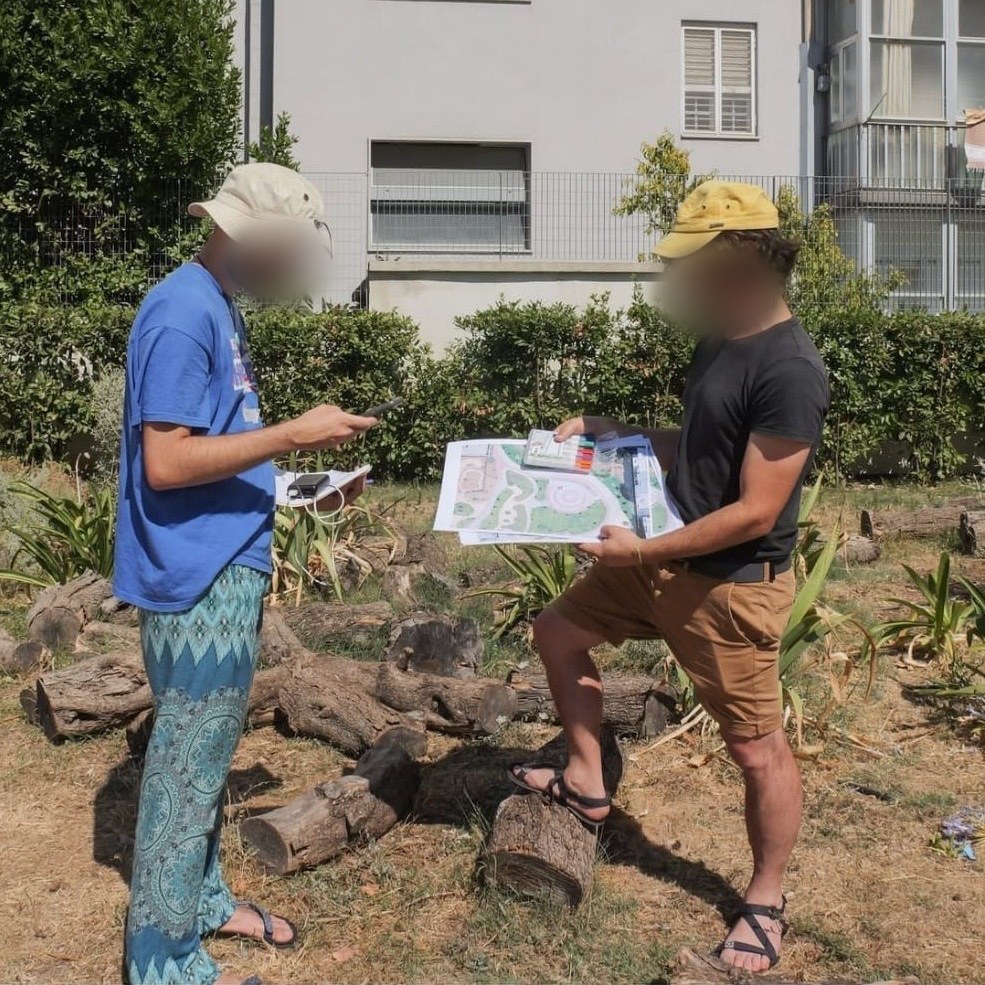
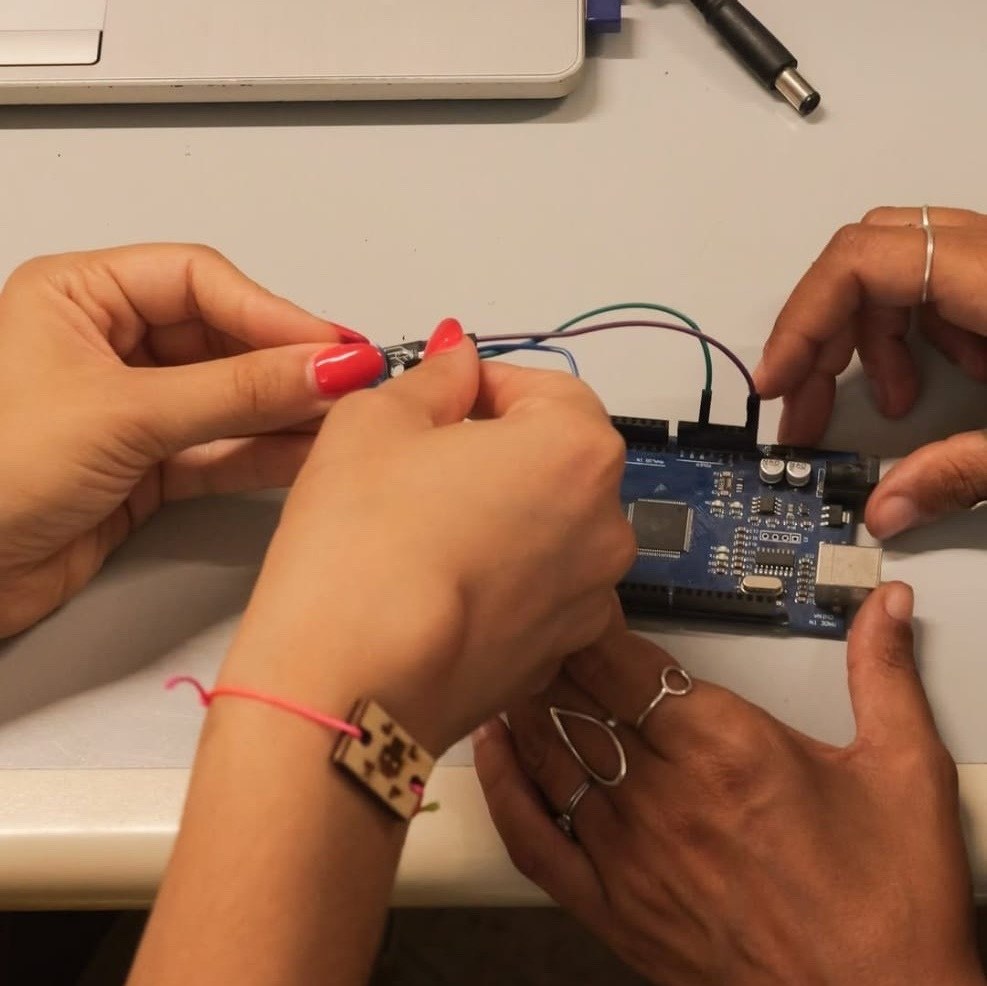
The process ran in four phases, from the macro challenge to the output:
- 01
Discovery
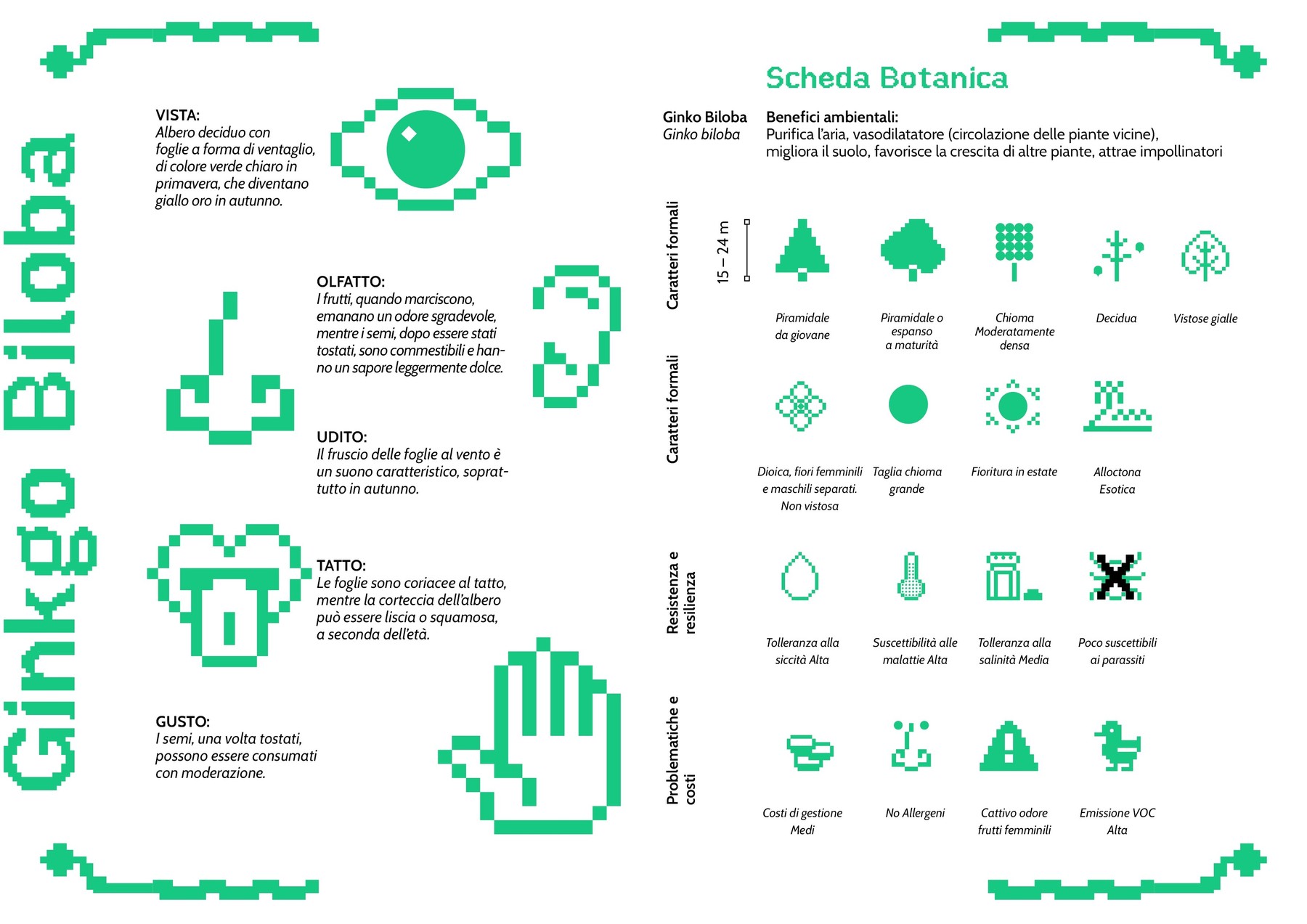
Desk research, stakeholder and influence maps, interviews, case studies, a sensory exploration of the park, a conversation with an expert, outdoor mapping, a park identikit, data analysis, a questionnaire and the SWOT. We looked at four areas: social context, technology, governance and stakeholders, and urban approach.
- 02
Ideation
How Might We questions, brainstorming, Crazy 8, round robin and an idea canvas, followed by user journeys and a first view of the user experience.
- 03
Prototyping
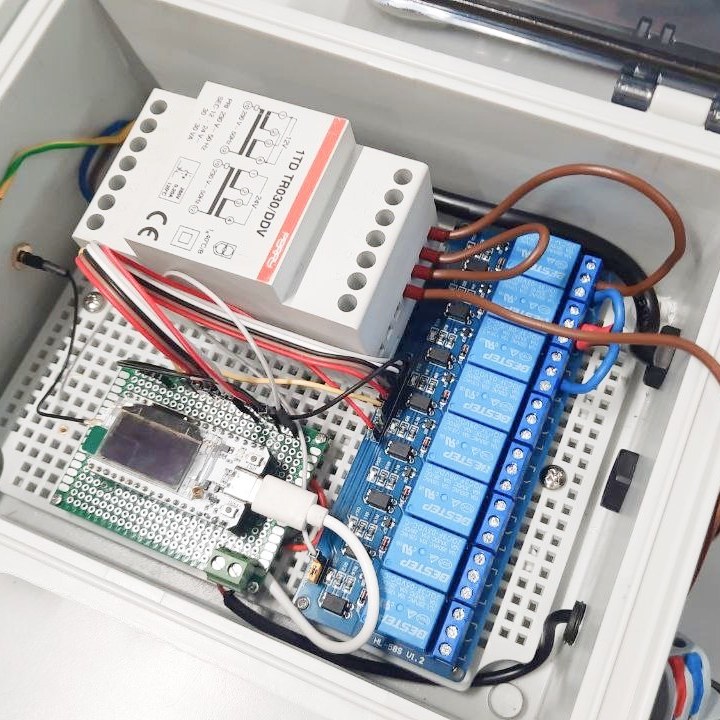
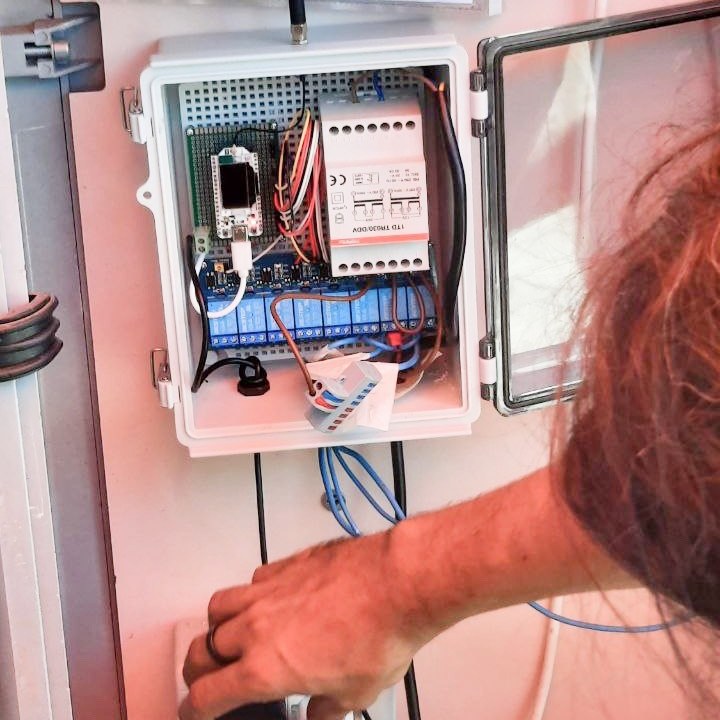
Wireframes and digital prototypes, a simulation and a demo, together with the physical set-up of the irrigation system in the park.
- 04
Report
A final report documenting the project, alongside the booklet and the open map.
Insights
Four needs pointed to two design questions.
Discovery converged on four needs:
- Remote control of irrigation
- The need to manage the irrigation system remotely, to simplify maintenance and use water better.
- Vegetation mapping
- The need to know the state and distribution of the park's vegetation, to plan targeted and sustainable interventions.
- Effective handling of reports
- A request for a system that filters and organizes reports, so that interventions are better managed and more effective.
- Active citizen involvement
- The need to raise awareness and involve citizens in the care and life of the park.
We turned them into two How Might We questions, each with its own answer:
How might we improve irrigation management in parks to reduce waste and improve the park's health?
The answer was BARK, a real-time irrigation monitoring and management system, and a booklet of good practices for designing and managing public green for the City of Bari.
How might we make citizens aware of the value of urban green by exploring the relationship between humans and non-humans?
The answer was an open map of the park, the public platform ADAXI Bari Parchi and a reporting chatbot.
The design choice that followed was to build a tool for monitoring and managing the park, and to bring citizens into the care of urban green by raising awareness of its ecological and social value.
Solution
One service connects citizens, the park and the administration.
ADAXI Bari Parchi has three parts that share the same open-source approach.
Public platform
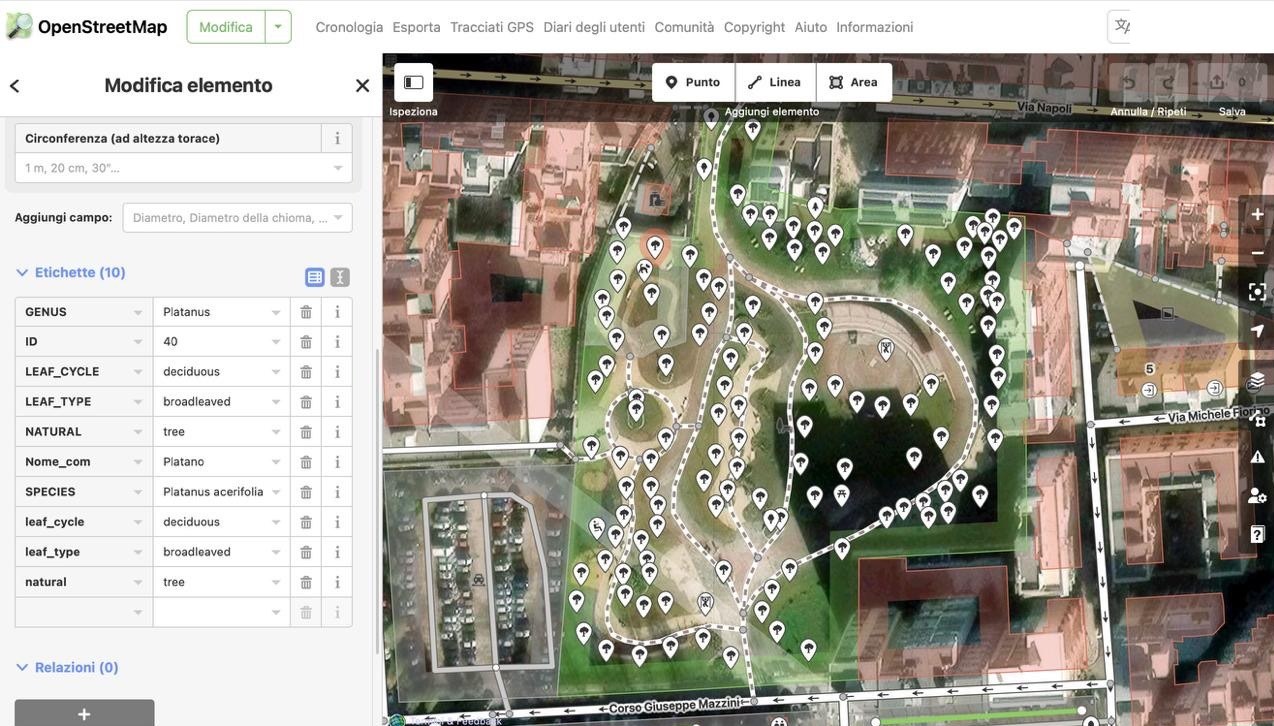
A site where citizens can see the city's green areas, their services and the characteristics of each park. A map shows the green areas, each park page offers photos, services, public transport links, shaded areas and live weather, and a chatbot lets people send suggestions and observations. The park map is built on OpenStreetMap and open data from public administrations, so that geographic information stays accessible to citizens, researchers, administrations and professionals.
Reporting chatbot
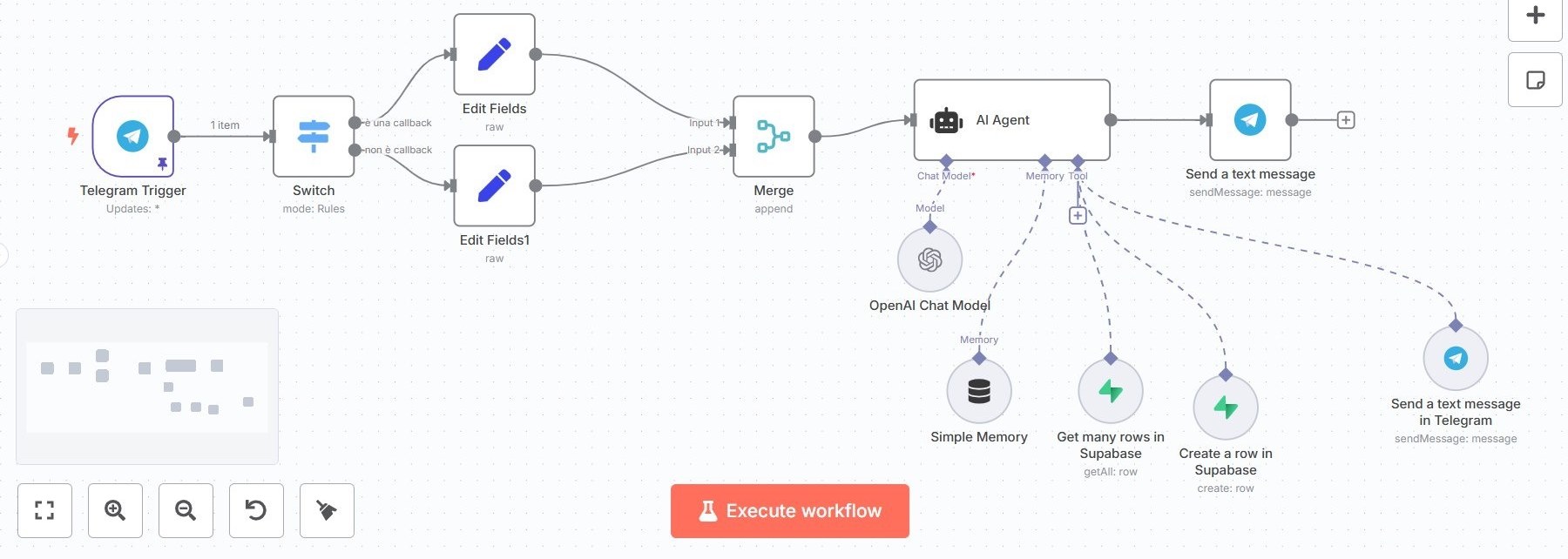
A reporting system integrated into the platform, designed to highlight problems, recognize positive experiences and strengthen dialogue between citizens and the administration. It computes a priority index from the number and frequency of reports received, so the administration sees what to handle first.
BARK
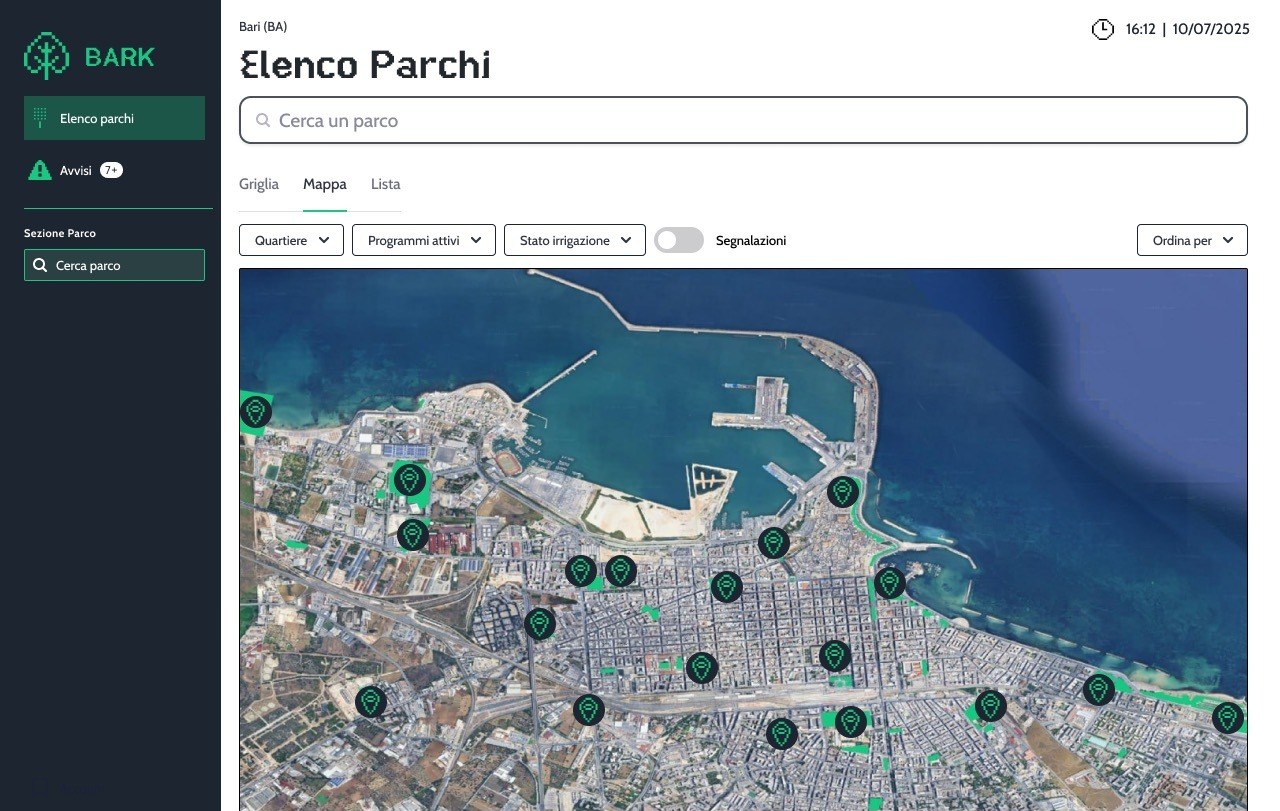
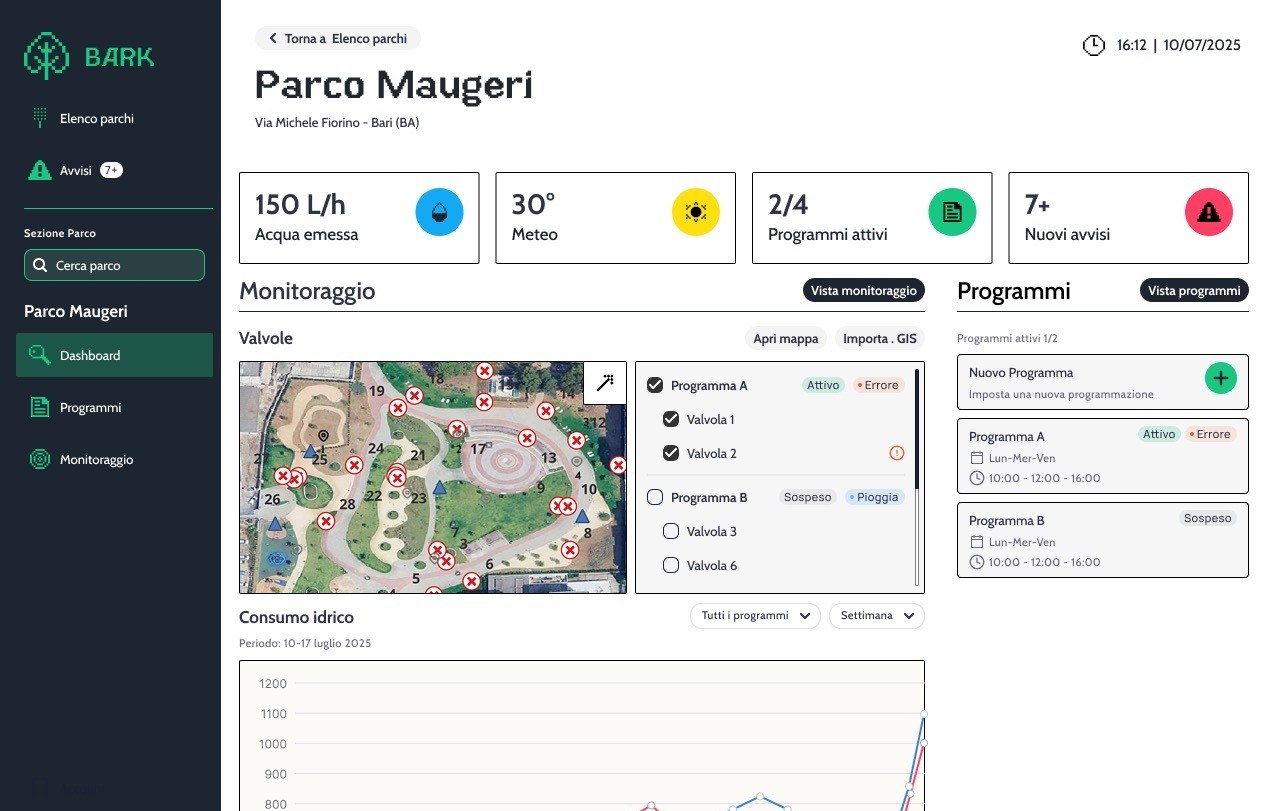
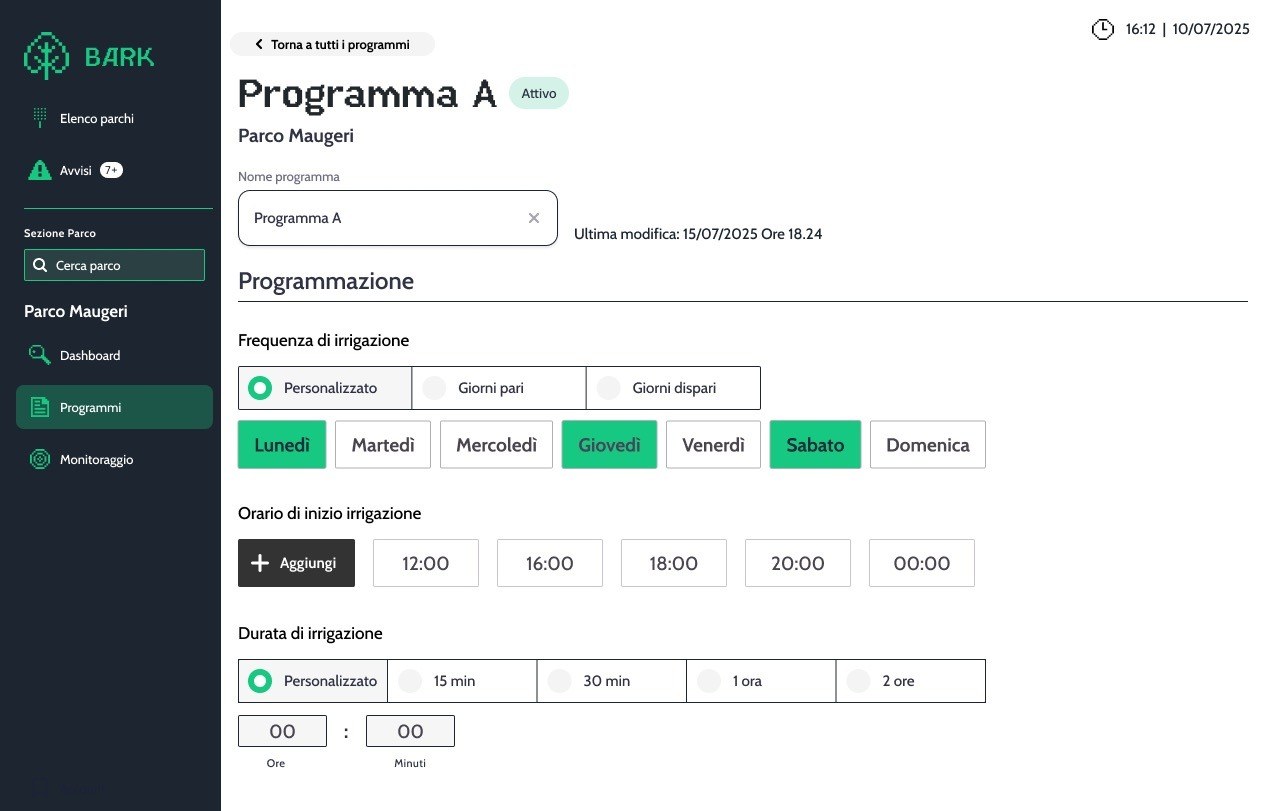
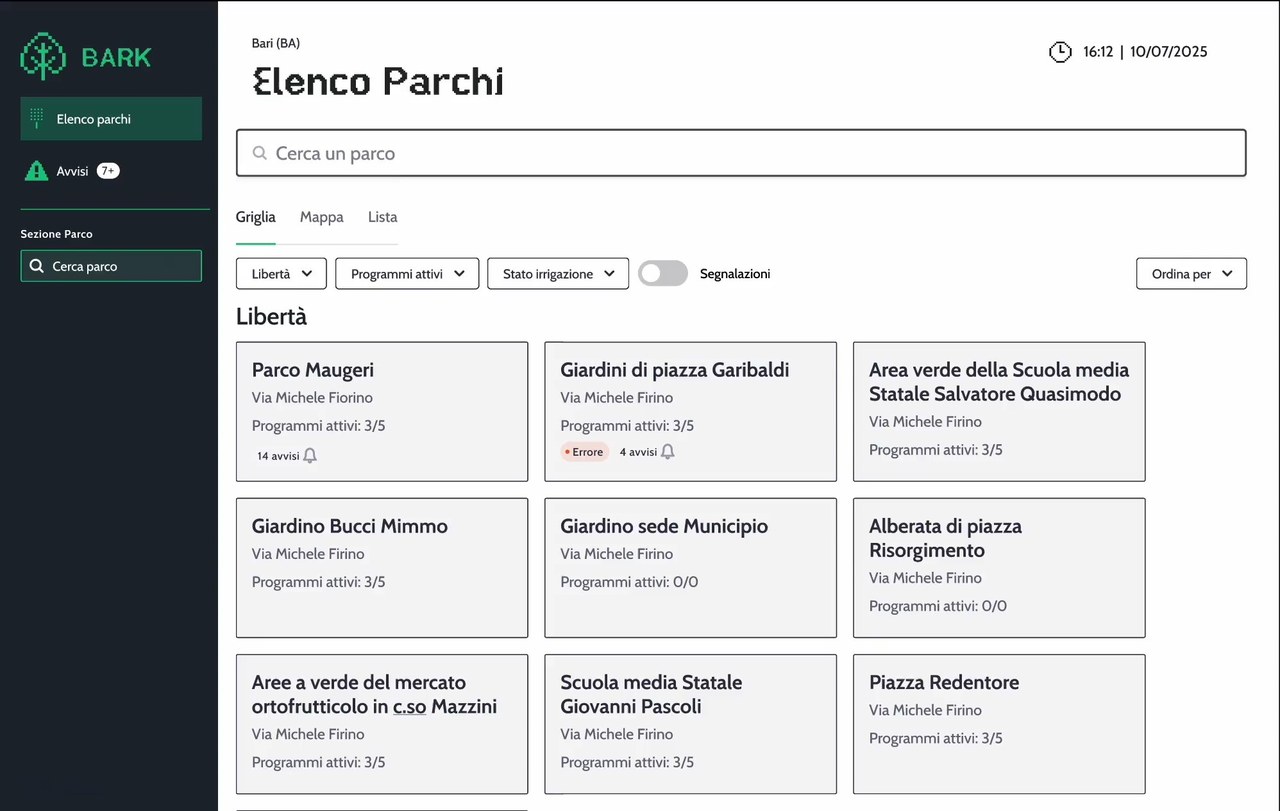
A system for monitoring and managing irrigation in real time, built on open-source software and hardware. From a single dashboard, staff can check the state of the system, schedule irrigation and monitor water consumption. It runs on the public LoRa node that the city of Bari now has, a shared urban infrastructure that is free to use.
Experience
Citizens report, the administration decides.
The service works as two connected experiences.
For citizens
- 01
They open ADAXI Bari Parchi and explore the map of the city's green areas.
- 02
They choose a park and read what it offers: services, shade, transport and weather.
- 03
When they notice a problem, they report it through the chatbot.
For the administration
- 01
The dashboard lists the parks on a map, with a monitoring view for each one.
- 02
In each park, staff read the state of the irrigation system and water consumption.
- 03
Irrigation is scheduled by day and time from the same place.
- 04
Citizen reports arrive already ranked by priority, based on how many there are and how often they recur.
Together, the two sides give the administration two sources of information on the park: what the system measures and what people notice.
Outcome
The City of Bari received a working set of tools and guidance.
At the end of the workshop the group delivered its outputs to the City of Bari:
- the open-source irrigation monitoring and management system, BARK
- the public platform ADAXI Bari Parchi, with its reporting chatbot
- an open map of the park on OpenStreetMap
- a booklet of good practices for the design and management of public green, covering nature-based solutions, maintenance with digital tools and ways to involve citizens
- a project report
Looking back
Caring for a park takes both data and people.
The two design questions looked separate at first, one about water and one about awareness. The project showed that they are two sides of the same problem: a park is looked after better when the administration can see what the system measures and what citizens notice, and when citizens have a simple way to be heard. Co-design made that connection visible, because the needs of the people who use the park came first and the technology followed.
The chatbot has clear next steps: adding images to reports, a guided form, access from several platforms and integration into a single municipal bot. The next step for the whole service is to test it with citizens and with the staff who maintain the parks.